Project Duration
12/2024 - 12/2026
Summary
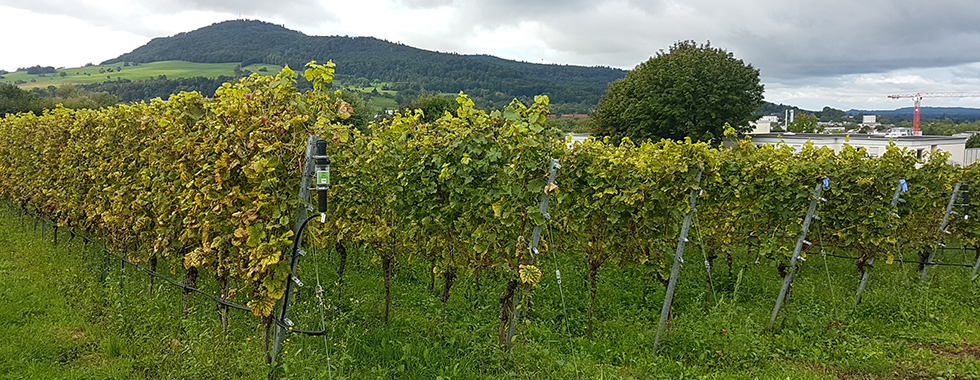
In organic viticulture, the plant disease downy mildew can lead to significant yield losses. While the use of copper for control is permitted, it is ecologically questionable. The project “Sustainable Biological Control of Downy Mildew in Grapevines (PeroStilL)” is testing bioactive natural compounds extracted from grapevine wood that have shown efficacy against downy mildew in both laboratory tests and initial field studies.
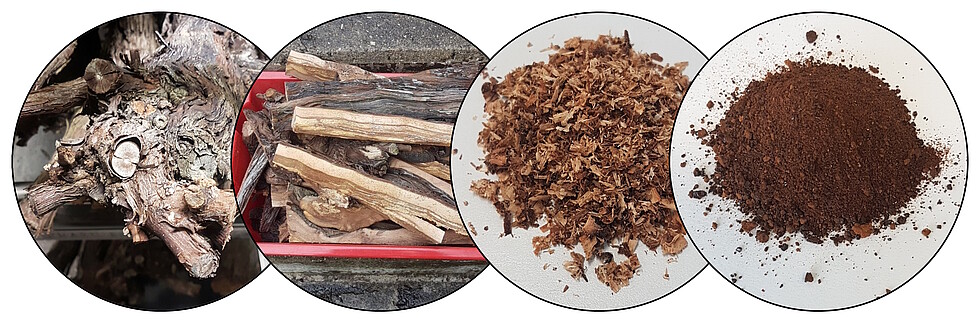
The European Union (EU) is the world’s leading producer, exporter, and consumer of wine (2023) and accounts for nearly 50% of the global vineyard area (2024). With a revenue of €130 billion and the creation of approximately 3 million jobs in 2022, the wine sector plays a key role in the EU’s trade balance as well as in the socioeconomic sustainability of its rural regions. Downy mildew of grapevine, caused by the oomycete Plasmopara viticola, is among the most devastating diseases of grapevine worldwide, with yield losses of up to 75% and a particularly high susceptibility of the European grapevine (Vitis vinifera). Historically low production volumes in the wine sector, attributed to factors such as challenging climatic conditions and increased infection pressure from pathogens, as well as concerning projections of future pandemics in the context of climate change, highlight the importance of effective, forward-looking strategies for pathogen control. Copper has been used as a chemical pesticide since 1885 and, due to the lack of viable alternatives, is still tolerated in organic farming; however, under Implementing Regulation (EU) No. 540/2011 it is classified as a “candidate for substitution,” as its persistence in the environment is associated with ecotoxicity toward micro- and macroorganisms (including plants), as well as harmful effects on soil biodiversity and fertility. The development of new strategies aimed at reducing the use of chemical pesticides is a key objective of EU policy, which, through initiatives such as the “Farm to Fork” strategy, seeks to halve the use of chemical pesticides by 2030. Within the PeroStilL project, sustainable, plant-based strategies for the biocontrol of downy mildew in grapevine (Plasmopara viticola) are being developed. The focus is on stilbene-containing crude extracts derived from the wood of grapevine (Vitis vinifera) itself, which, as natural antimicrobial agents, show strong potential for use in organic and integrated viticulture and may contribute in the long term to reducing the use of chemically synthesized pesticides, particularly copper-based products. In the current second funding phase, Project PeroStilL has advanced promising indications of bioactivity from initial controlled laboratory studies into clear evidence of efficacy in practice-oriented field trials in vineyards, thereby providing further evidence for the potential of stilbene-containing grapevine crude extracts in the sustainable biocontrol of downy mildew in grapevine. This success was enabled by practical innovations, in particular the establishment of a scaled process for grapevine wood comminution and extraction, which ensured consistent quality and bioactivity of the produced extracts, as well as the development of a new spray formulation with selected formulation adjuvants to improve physicochemical properties. Consistent batch-to-batch quality was confirmed by chromatography/spectroscopy, and initial biocompatibility studies as well as residue analyses on grapevine plants were conducted.