Project Duration
01/2025 - 12/2027
Summary
Extreme weather events such as droughts and floods drastically reduce crop yields. In our project, we aim to utilize naturally occurring soil bacteria to influence the hormonal balance of plants, promote their growth and strengthen their resilience to environmental stress.
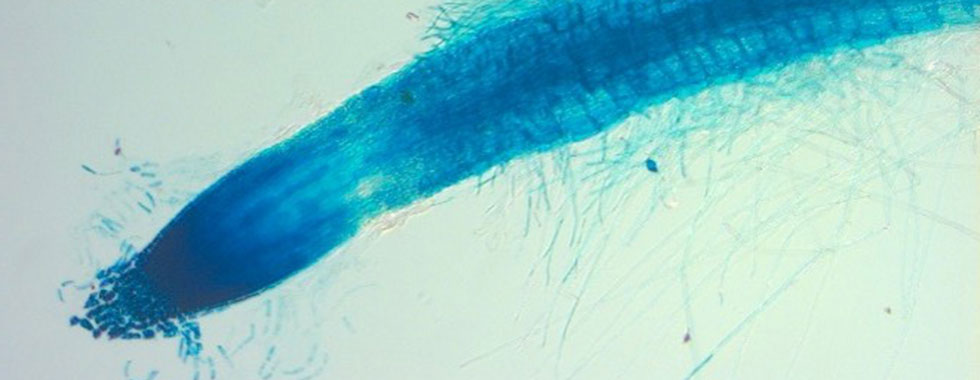
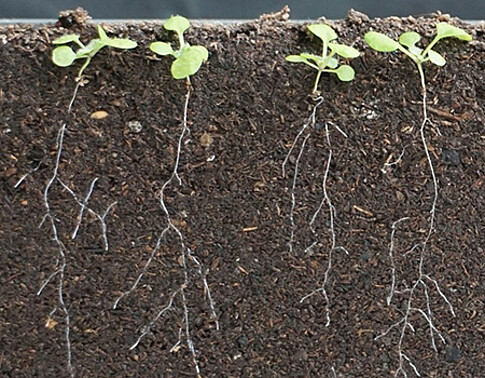
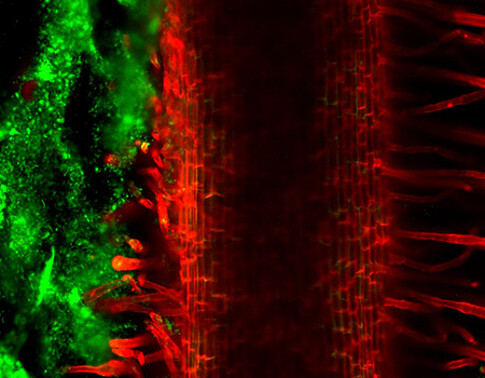
Flooding and drought events are increasing in both frequency and severity as a consequence of anthropogenic climate change. These abiotic stresses increasingly cause serious crop losses in agriculture, resulting in heavy economic loss locally, and threatening food security globally. Previous work of ours has demonstrated that activation of the plant hormone ethylene during environmental stress is essential for stress acclimation, adaptation and resilience. In this project, we aim to use naturally occurring beneficial soil bacteria to control ethylene signalling in plants and improve plant performance under environmental stress. In collaboration with Dr. Gabriel Castrillo from the University of Nottingham, we obtained multiple bacterial strains that show variation for ethylene biosynthesis and the ability to change plant root growth. With the support of CIBSS, we identified several highly promising bacterial strains that modulate root system architecture and stress resilience in our model plant species Arabidopsis thaliana. Bacteria promoted ethylene-mediated root hair formation, which is essential for rhizosheath formation and nutrient acquisition in soil grown roots. Excitingly, we also show that our bacterial strains can promote resilience to both flooding-associated low-oxygen stress and drought stress in multiple crop species, including maize and barley. We now plan to gain a comprehensive understanding of how these bacteria promote stress resilience and, in collaboration with our local farmer partners, test the most promising candidates in field trials in the coming years.